




Prepare Your Workforce for the CMS TEAM Model

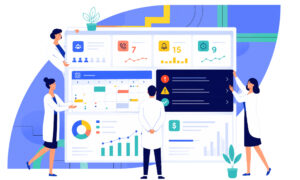
CMS TEAM model implementation diagram

On January 1, 2026, hospitals in 797 geographic areas across the U.S. will be mandatorily enrolled in the Centers for Medicare & Medicaid Services (CMS) Transforming Episode Accountability Model (TEAM). 

Here’s why this is critical to understand and plan for: not only will many hospitals be required to participate, but your skilled nursing or rehab facility will no longer be just another place where patients go after the hospital. Your facility will have a direct impact on whether the hospital makes or loses money. Poor staffing that leads to patient readmissions or complications won’t just affect your facility; it directly impacts your hospital partners’ bottom line throughout the 30-day care period following a qualifying procedure. And hospitals could face payback requirements of up to 20% of episode costs.

You're now a key determinant of hospital financial performance

What You Need to Know

Workforce planning under CMS TEAM model
  • Timeline
    TEAM becomes mandatory January 1, 2026 for hospitals in selected geographic areas.
  • Financial Impact
    The model puts hospitals at risk for up to 20% of episode costs, with CMS expecting $481 million in Medicare savings over five years.
  • Workforce Connection
    Success depends on consistent staffing across the entire care continuum, making efficient workforce management a competitive advantage for everyone.
  • Opportunity
    Forward-thinking facilities can position themselves to dominate post-acute care partnerships.

While the TEAM model represents a significant operational challenge, it also creates unprecedented opportunities for organizations that prepare strategically. The question isn’t whether TEAM will transform healthcare workforce management—it’s whether your organization will lead or follow in this transformation.

Understanding TEAM's Business Impact

TEAM zeroes in on five common and expensive procedures:

  • Lower Extremity Joint Replacement
  • Surgical Hip Femur Fracture Treatment
  • Spinal Fusion
  • Coronary Artery Bypass Graft
  • Major Bowel Procedure

Only TEAM flips the script: readmissions that once generated revenue will now cost hospitals money. They get a target price for each episode and either earn savings for staying under or owe penalties for going over.

For many facilities, this fundamental shift means that current staffing approaches need to evolve, and fast.

Why Your Current Staffing Model May Not Work

This completely changes how you need to think about staffing. Before, once a patient came to your facility from the hospital, what happened next was pretty much between you and that patient. Now under TEAM, the staffing decisions you make at your skilled nursing or rehab facility will directly affect the hospital’s bottom line for the full 30 days after the patient’s original procedure. That means hospitals are going to be much more invested in what happens at your facility – because poor outcomes or readmissions will cost them money.

The old ‘just fill the shift’ approach won’t cut it, and it can create financial risk for your hospital partners. TEAM rewards facilities with consistent, qualified staff who can deliver smooth care transitions and prevent complications. This means workforce stability at your facility is no longer just an operational issue but a make-or-break factor in whether hospitals want to work with you.

New Metrics to Track

Episode-based accountability means your facility’s performance will likely be under much closer scrutiny. Hospitals will be watching indicators that directly impact their bottom line, like:

  • Percentage of shifts covered by consistent staff
  • Readmission rates from your facility
  • Patient satisfaction scores

Organizations that experience gaps in qualified staffing during episodes risk poor outcomes that could lead to readmissions – which will cost their hospital partners money and potentially damage those relationships.

The Competitive Advantage Potential for SNF Partnerships

CMS TEAM model: strategic SNF partnership with consistent staffing and operational efficiency

While some businesses may view TEAM as a compliance burden, forward-thinking organizations recognize the competitive opportunity in post-acute care partnerships. Simply put, SNFs that can demonstrate consistent, qualified staffing throughout episode care will become invaluable strategic partners.

Hospitals may seek out partners with efficient operations that they can trust and factors that SNF partners may look for include:

  • Low caregiver turnover rates
  • Consistent credential compliance
  • Seamless nurse and staff scheduling and shift coverage

Workforce Management Solutions for Helping Partners Stay Successful

Here are a few ways that healthcare-specific workforce management solutions can support skilled nursing and post-acute care teams during the TEAM era:

Recruitment and Retention Support

Connected tech ecosystems - HCM solutions supporting workforce management and credential tracking under the CMS TEAM model

Applicant tracking and recruitment technology that can adapt to changing recruitment needs under episode-based care may help organizations identify and attract staff who excel in these types of coordinated care environments.

Tracking and Storing Credentials

Onboarding and record-keeping tools that use automation technology and AI-powered document readers can scan documents, automatically import key information, and provide proactive alerts about expiring credentials. They offer more ways to ensure qualified staff are consistently assigned to episode patients while reducing administrative burden.

Scheduling and Reporting

Caregiver scheduling tools enable managers to easily organize complex healthcare schedules while providing caregivers with mobile access to pick up shifts and clock in from their devices. These systems can monitor staffing levels across multiple facilities and provide detailed reports on staffing patterns that impact episode outcomes.

Organizations that invest in all-in-one, connected workforce management platforms now can have a huge edge when TEAM launches.

Preparing for Implementation

Here are a few ways to begin preparing:

Track the right metrics: Start monitoring staff consistency, credential compliance, and care transition quality.

Audit your processes: Review your current workflows to identify and eliminate gaps that could lead to costly errors.

Rethink recruitment: Prioritize qualified candidates who understand coordinated care, not just those who can fill shifts.

Invest in the right technology: You want tools that simplify your workflows and boost operational efficiency.

Don't wait for January 2026 to take an action

Successful organizations may already be building competitive advantages through strategic workforce management investments.

Don’t wait until January 2026 to start preparing. Contact our support team today to discuss how Empeon’s platform can transform your workforce management strategy for the TEAM era.

Empeon
PBJ reporting errors illustration

5 PBJ Reporting Mistakes Hiding in Your Data and Costing You Stars

If your skilled nursing facility is doing everything right on the floor but still struggling to hold onto four or five stars, the culprit might not be care quality. It might be buried in your Payroll Based Journal (PBJ) data.  As we know, the Centers for Medicare & Medicaid Services (CMS) requires all

Read More »
Illustration showing a mismatch between PBJ census (95 residents) and MDS census (92 residents), with a five-star rating partially reduced and a scheduler reviewing a Q1 2026 calendar.

Your Scheduling Decisions May Be Tanking Your CMS Five-Star Rating: Here’s How

This scenario happens more often than we realize: your facility got dinged on your CMS Five-Star rating and your Total Nursing Hours score dropped, even though you know your staffing levels haven’t changed. You check your PBJ reports, and everything looks accurate. Even your MDS coordinator confirms all assessments were submitted on time. So, what went wrong?  The problem isn’t that

Read More »