


Healthcare is constantly in flux, and new technologies, policy updates, changing economies, and many other factors combine to create an extra sensitive environment. There’s no doubt about it — the day-to-day operations of skilled nursing and home health facilities are reactive to current events.
The last few years are a good example of the impact of outside factors on the industry, and 2025 is unlikely to be any different. However, while there have been many issues and there are still more to navigate, there is a glimpse of stability on the horizon within these 2025 trends for skilled nursing facilities and home care agencies.
The Lay of the SNF and HHA Land in 2024
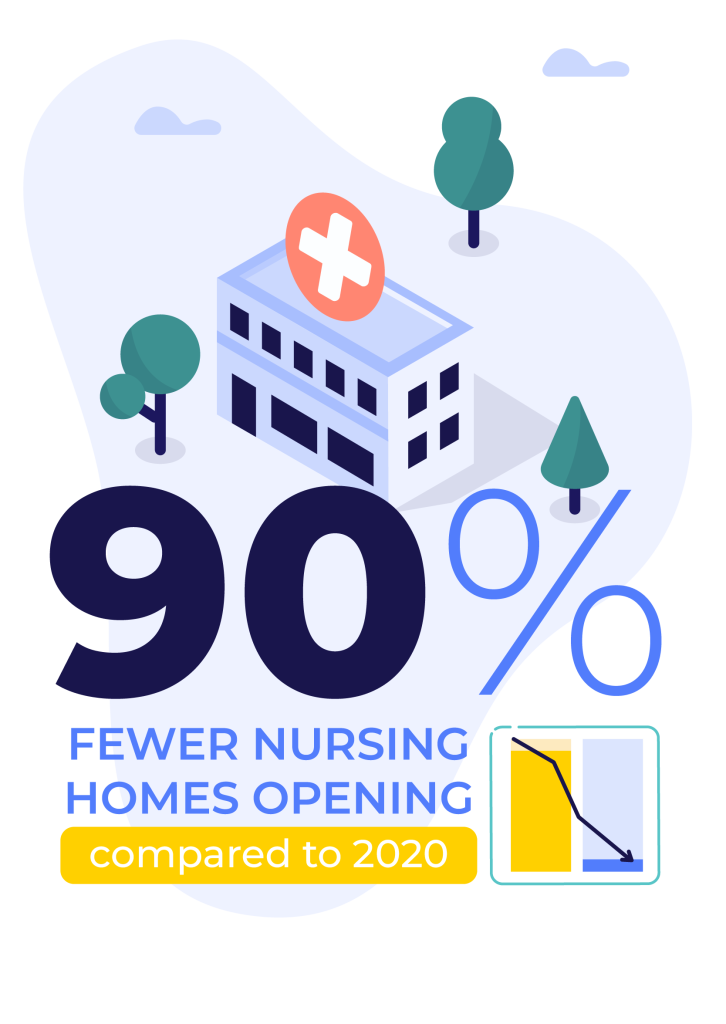
2024 was a difficult year for home care and the skilled nursing industry. Financial pressures forced 774 nursing homes to close between February and July 2024, leaving roughly 28,000 residents without a care facility. Compared to 2020, there are now 90% fewer nursing homes opening.
Staffing shortages stressed facilities, leading to trouble operating and staying profitable. During the spring of 2024, surveys showed that 99% of nursing homes had open positions and seven in 10 had fewer staff then before the pandemic.
Facilities tried many different strategies to attract skilled staff, and 90% say they have raised wages, offered sign-on bonuses, and paid for training. Still, it takes months to hire, forcing 46% of facilities to limit admissions.
On top of all that, CMS finalized a minimum staffing mandate that will come into effect in phases in May 2026. These new policies ushered in panic and outcry from facilities across the country as they buckle under current operational strain and try to foresee how to grapple with extra requirements.
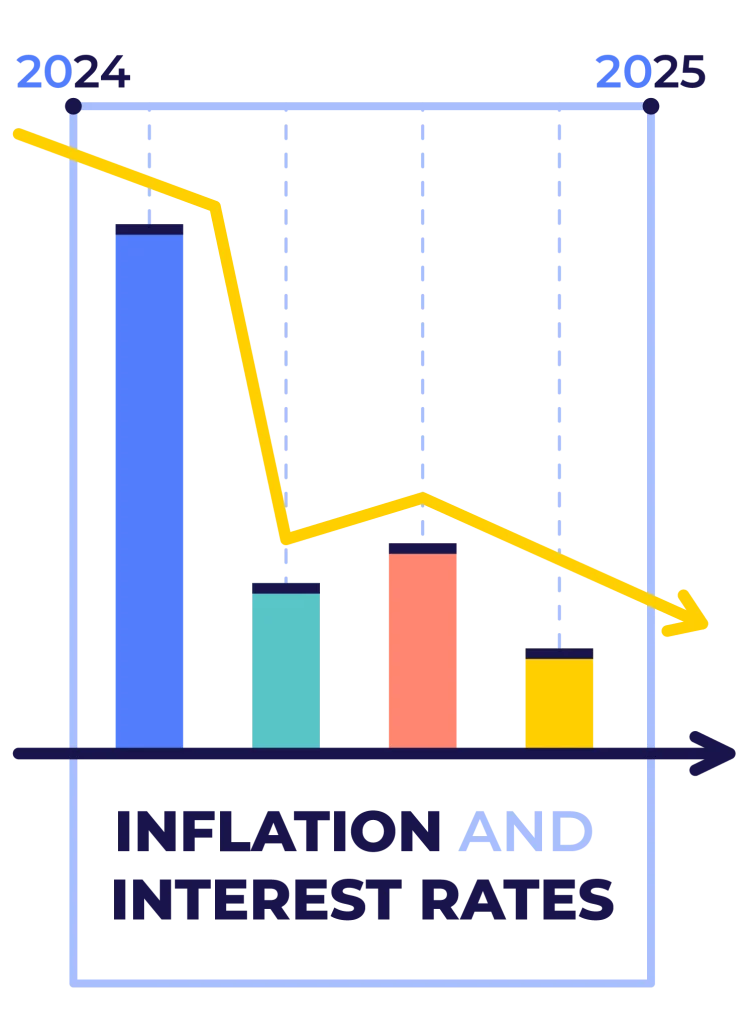
However, while the year was challenging, facilities did see positive changes in the economy. Inflation and interest rates lowered over the year, offering a glimmer of hope for financial stability.
SNF and HHA Industry Trends to Watch in 2025
A few predicted 2025 trends for SNF and HHAs are worth paying attention to, including the impact of a new federal government, healthcare costs, compliance, staffing shortages, and technology.
Potential Changes to Reporting Policies
Recent results of the 2024 national election mean the country faces an administration changeover. The new president brings in a party change with a House majority, which means different policy values and goals and majority support to change policy.
In addition, a new nomination for the CMS administrator could mean major changes to regulations like PBJ reporting and hours per patient day (HPPD) requirements, according to experts in the SNF industry.
Even Higher Healthcare Costs
Healthcare costs have been chronically high for many years, but they’re expected to increase again in 2025 despite lowering inflation. These high costs are related to a high prevalence of expensive chronic diseases, like diabetes, heart disease, and cancer.
This translates to four major problems:
- Higher expenses just to deliver care
- Poor reimbursements can’t keep up with increased costs
- Higher insurance premiums for patients
- Higher benefit cost per employe
These issues will stretch facilities and create financial instability and losses, both in caring for patients and the workforce.
CMS Will Crackdown on Standards
The current government has said it will hold skilled nursing and long-term care centers accountable for patient care, announcing staffing mandates and other changes. However, CMS has also announced changes to surveys in 2025 to crack down on billing noncompliance, infection control, and medication management.
In addition, CMS updated the language for penalties, changing definitions to allow multiple penalties for the same deficiencies. That means facilities can face:
- Per day fees of $10,000
- Per instance fee of $10,000
- Or both
- for multiple instances and regardless of whether there is immediate jeopardy to life or safety.
Inflation and Interest Rates Will Stabilize
In 2024, inflation finally began to fall to its lowest in three years at 2.4% in September (from a staggering 9.1% in 2022). It picked up slightly to 2.6% in the fall, but the White House predicts rates will continue to stabilize and fall again to 2.3% in 2025.
Short-term interest rates will follow, fluctuating throughout the year and landing somewhere between 2.3% and 2.7%. These trends mean facilities may have fewer costs in certain areas or may be able to borrow money at more attractive rates.
Staffing Operation Trends
Industry experts also predict a few trends specifically around the day-to-day of staffing and operations. The most prominent are ongoing workforce shortages and growing AI adoption in workforce management.
Facilities Will Still Struggle to Hire and Retain Staff
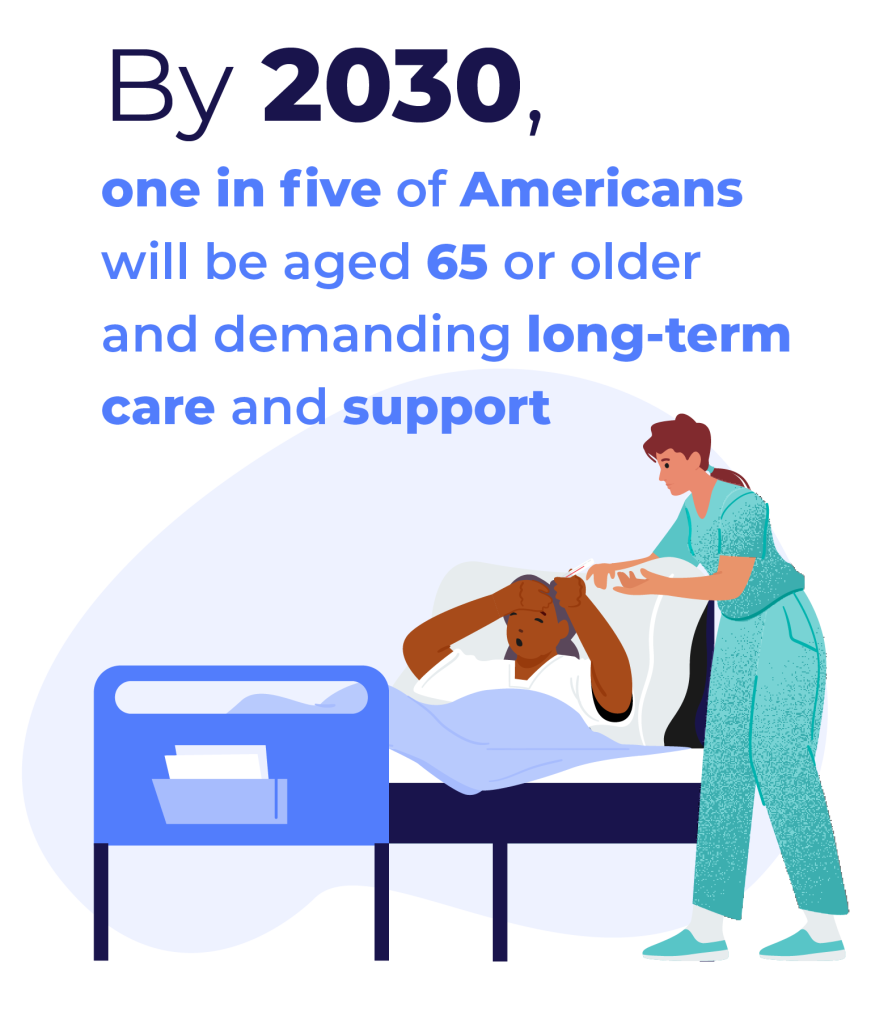
By 2030, one in five of Americans will be aged 65 or older and demanding long-term care and support, whether in a nursing facility or at home. The Health Services & Resources Administration (HRSA) predicts a national shortage of full-time:
- 207,980 RNs
- 302,440 LPNs
While the industry is slowly recovering from pandemic staffing chaos, SNF and HHAs are not out of the woods yet. The threat of staffing mandates still hangs overhead, and finding and keeping staff is and will be especially tough for rural facilities.
AI Adoption for Nursing and Staff Benefits Management
Generative AI continues to evolve, and 70% of healthcare leaders surveyed say they’re adopting the technology to improve clinical efficiency, streamline admin work, and improve care quality. However, AI is also gaining use in payroll and benefits management.
In 2025, employers will expand AI use for managing nursing staff benefits and to improve the overall experience. Vendor partners will also continue to adopt AI to improve data, operations, and personalization.
Stay Ahead of the Curve With Empeon
Moving with the times is essential in business, and industry trends are no different. Building agile systems that can quickly respond to changes without downtime may mean the difference between success and failure.
Empeon’s solutions are designed to empower you and your people toward efficiency, so that you have more time to handle pressing issues and build a stable business. Discover our tools and learn more about streamlining payroll and HR.