You run payroll every two weeks. The checks go out on time. The math adds up. Your team thinks everything’s fine.
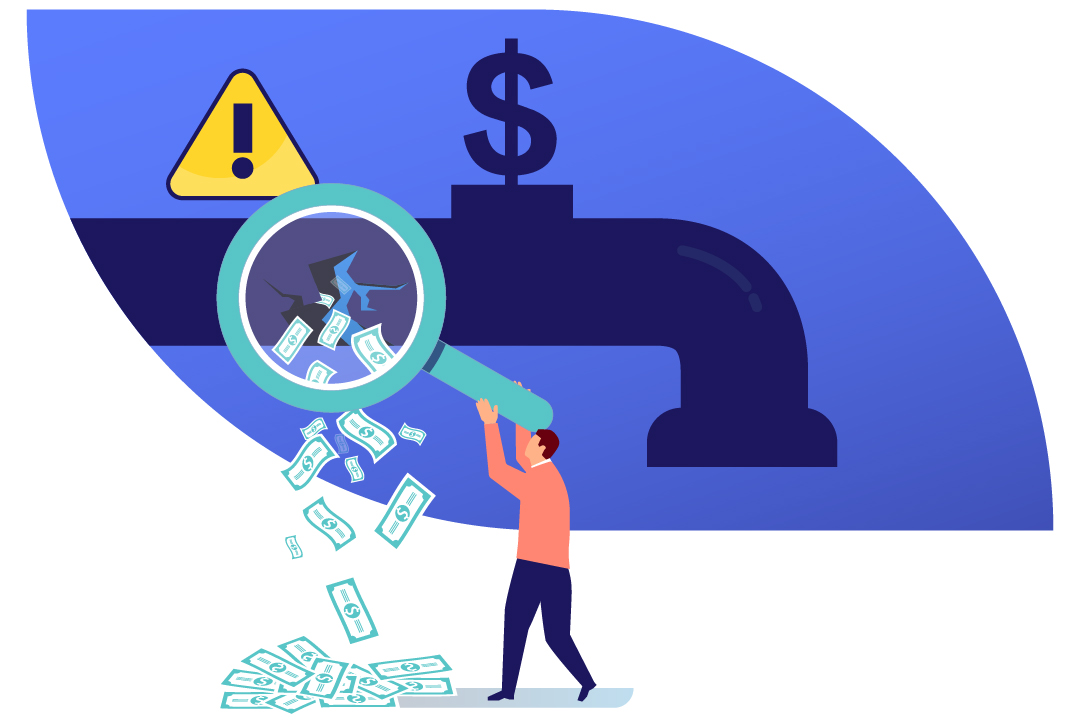
But here’s what many home care agencies miss: accurate payroll can still bleed money.
Maybe it’s overtime you didn’t need to pay—if only someone had seen the hours piling up on Wednesday instead of Friday. Or a duplicate visit that slipped through because data flows through three different systems. Or caregivers calling HR every pay period asking, “Why is my check different this time?”
These aren’t always obvious problems. But they’re quiet leaks that build over time, eat into profits and erode trust with the caregivers you can’t afford to lose.
And the U.S. Department of Labor isn’t just watching; they’re actively investigating. In a nationwide enforcement initiative targeting the care industry, the DOL found violations in 80% of investigations, recovering over $28.6 million in back wages for nearly 25,000 workers.
Here are three common payroll leaks home care agencies face and how to catch them before they cost you. These aren’t just annoying; they’re the difference between agencies that grow and those that plateau because their infrastructure can’t keep up.
Leak #1: Overtime Detected After Payroll Closes
One expensive payroll leak is discovering overtime only after checks have already gone out.
Without timely visibility into how caregivers are working, it’s difficult to spot overtime before finalizing payroll. By Friday afternoon when payroll closes, you may be paying time-and-a-half rates you never budgeted for. Or worse, paying straight-time rates and exposing yourself to costly compliance violations.
The Fair Labor Standards Act (FLSA) requires that most home care workers receive overtime pay at time-and-a-half their regular rate for all hours worked over 40 in a workweek. Yet enforcement cases show this remains a persistent problem.
In 2022, a Pittsburgh home care agency was ordered to pay more than $1.4 million in back wages and liquidated damages to 218 workers. DOL investigators found the employer paid straight-time rates instead of overtime and kept inaccurate payroll records that obscured the underpayment.
The worst part? These violations were entirely preventable.
How to spot this leak: Check for overtime as soon as your weekly data is available, whether that’s mid-week or later. Can you quickly identify caregivers whose hours look unusual, whether they’re approaching overtime or have already exceeded 40 hours, before finalizing payroll? If pulling this report is cumbersome, you may be missing opportunities to catch and address overtime issues before checks go out.
Leak #2: Duplicate Visits and Data Entry Errors
When time data flows through multiple systems, so from the EMR to payroll, duplicate entries become inevitable without proper safeguards. A caregiver visit gets logged in the EMR, then manually re-entered into the payroll system, and suddenly the same 6-hour shift is paid twice.
These errors often slip through because they look legitimate in isolation. It’s only when you run pre-process audits that patterns emerge: the same employee shows two visits at the same time, or total hours suddenly spike without explanation.
This is exactly where pre-process payroll audits become critical. Unlike traditional payroll reviews that happen after checks go out, pre-process audits catch errors before payroll closes, flagging duplicate visits, rate mismatches, and missing clock-ins while there’s still time to fix them. Data imports, like FTP file transfers from your EVV system, can help reduce manual entry errors, but audits remain essential to catch duplicates and anomalies before processing.
Empeon’s recent analysis of automated payroll audit data shows these tools prevent an average of over $1.5 million in payroll errors per client annually. These errors could have otherwise slipped through undetected.
How to spot this leak: Review your last three payroll cycles. How many corrections did you make for duplicate entries or data sync failures? If you’re spending more than 30 minutes per pay period on these corrections, you’re likely missing others that never get caught.
Leak #3: Pay Stub Confusion Driving Caregiver Turnover
This leak is harder to quantify but has the potential to become more costly: when caregivers don’t understand their paychecks, they can lose trust and start looking for other opportunities.
Caregiver turnover dropped to 75% in 2024 according to the Activated Insights Benchmarking Report, but that still represents significant replacement costs.
Pay stubs that only show a gross total, without breaking down hours by patient, visit, or rate type, leave caregivers guessing the logic behind their pay stub amounts.
When caregivers work for multiple clients at different rates, or receive shift differentials for overnight or weekend work, a single line item showing “40 hours at $18/hour” doesn’t tell the full story. They can’t verify that Monday’s 6-hour visit or Thursday’s overnight shift was captured correctly.
Having tech that addresses this allows agencies to customize pay stubs with visit-level detail, showing exactly which patients the caregiver worked with, when, and at what rate. This transparency reduces payroll-related calls to HR and builds the kind of trust that supports retention.
How to spot this leak: Track how many caregiver calls your HR team fields each pay period about pay questions. If more than 10% of your workforce is calling to verify their paychecks, even when everything is correct, your pay stubs aren’t clear enough.
What Forward-Looking Payroll Looks Like
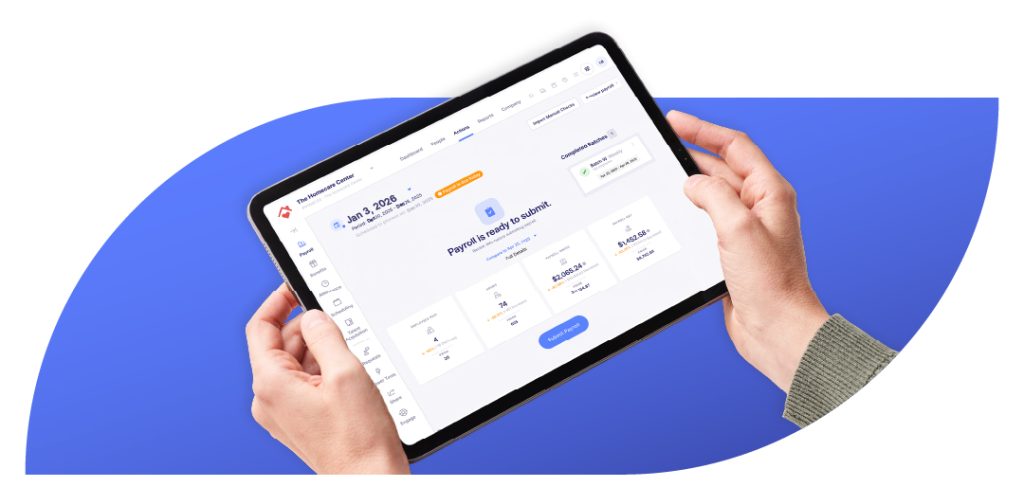
The agencies with the cleanest payroll have built systems that prevent errors from reaching payroll and caregivers. This means:
- Importing time files directly from the EMR to payroll (eliminating dual entry)
- Running pre-process audits before every payroll close (catching errors while there’s time to fix them)
- Providing visibility into hours worked (preventing overtime before it hits)
- Making pay stubs transparent (building caregiver trust and reducing turnover)
As the DOL continues its focused enforcement in the care industry, agencies that can demonstrate proactive compliance will be better positioned to weather audits and scale sustainably.
Empeon is a payroll and workforce management platform built specifically for the challenges faced by healthcare. The solutions include automated compliance tools and reporting designed for multi-state home care operations.
Book a demo to see how Empeon’s solutions can help your business stay ahead.