
The long-term care and nursing home industry will become an increasingly important part of the healthcare system in the coming decades — the number of Americans over the age of 65 is expected to reach 80 million by 2040.
The demand for nursing home assistance is increasing, but staffing has dropped by 13.3% since 2020 — more patients and not enough nurses to care for them. To make matters worse, only 2% of all nursing homes in the US report having a full staff as of 2022.

These critical workers provide an invaluable service and are increasingly hard to recruit and retain. Public and private facilities need to take a comprehensive approach to nursing home HR.
In this piece, you’ll learn about the human resources (HR) processes, protocols and platforms nursing home providers can adopt to prevent burnout, inadequate compensation and poor working conditions. You’ll also learn about the benefits of using HR software for nursing homes, including eliminating time import errors and the ability to customize time data so information is reflected in paystubs.

Centers for Medicare & Medicaid Services proposed that nursing home owners maintain specific staffing levels to help prevent these issues as well as having a registered nurse on site 24/7 and a minimum number of registered nurses and nurse aids per day to improve working conditions for both staff and patients.
Taking a comprehensive approach to nursing home HR management
The looming crisis in the long-term care space is dual-sided. Nursing home managers and administrators face a perfect storm of difficulties, including:
Funding: Nursing homes need more funding to deliver a high level of care. For example, the U.S. Department of Health and Human Services indicated that nursing homes struggle with costs, though there’s no indication of more funding.
Staffing: Turnover in nursing homes is high often due to nurse burnout, which causes staff to leave the profession.
Shortages: The number of frontline nursing home workers in the US has decreased by over 13% since 2020, leaving a smaller number of qualified candidates to fill essential roles.
Strict mandates: Healthcare facilities need to meet Centers for Medicare & Medicaid Services’ policies and regulations, such as the number of staff required, maximum workable hours etc.
On the other hand, the essential frontline workers working in nursing homes struggle with burnout, injury and inadequate compensation.
Burnout and injury
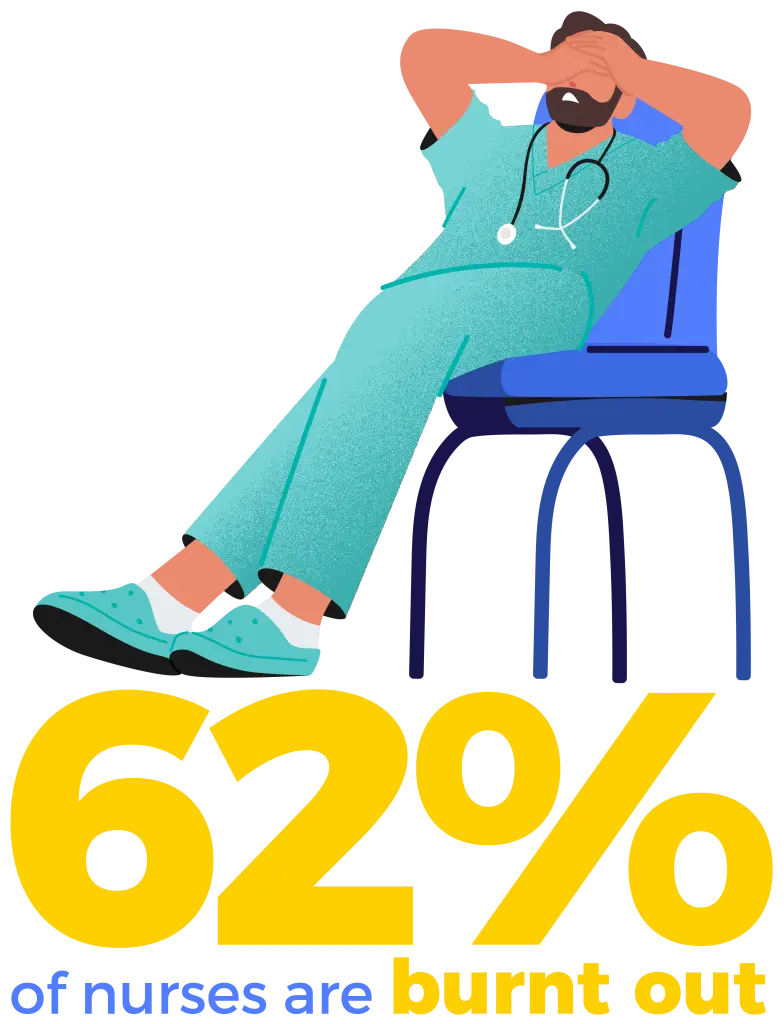
Over 62% of surveyed nurses report burnout, highlighting the emotional toll of the work. Additionally, physical strain is common, leading to injuries that can sideline staff, increase HR work and even lead to turnover.
Addressing the multi-faceted issue of HR in long-term care requires nursing home leads and administrators to adopt new policies and systems. Human capital management systems like Empeon can be a lifeline for HR teams in these facilities, often operating under budgetary and personnel constraints. The right solutions streamline operations and boost efficiency.
Here are some specific nursing home HR tactics leaders can adopt to ensure their organizations are well-staffed and have qualified employees.

Staff Recruitment
With extremely high turnover rates, nursing homes need to enhance their recruitment strategies for staff. Here’s how:
Determine your ideal ratio
Tracking Hours Per Patient Day (HPPD) determines the optimal staffing ratio for your facility. This data-driven approach ensures you’re aiming for a realistic and sustainable target.
Digital talent acquisition
Expand the reach of your job postings with digital solutions. Tech streamlines talent acquisition, allowing you to advertise positions, manage applications and streamline onboarding, all in one place.
Utilize screening tools
Develop or invest in candidate screening tools. This saves time and ensures you invest in the most qualified candidates.

Training, compliance and retention
The OECD iLibrary finds that the long-term care industry suffers from low job quality and compensation. Adopting proactive HR strategies impacts training outcomes, regulatory compliance and — ultimately — staff retention in nursing homes. These include:

Upskilling
Cross-train new hires and empower existing staff to handle higher patient ratios through continued education to develop employees’ skills and make them feel valued.
Streamlined regulatory training
Lengthy compliance training contributes to the 66% of nurses who turnover in the first 90 days of LTC work. Streamline this training to keep staff up-to-date to free up HR time.
Improved compensation
One of the best ways to improve retention is by providing adequate financial incentives. Here are two easy ways to enhance retention outcomes:
- Health benefits administration: Competitive health benefits packages are essential to attract and retain talent.
- Earned wage access (EWA): Help staff manage their finances and reduce stress by providing on-demand pay. EWA demonstrates investment in their well-being and helps them to manage their finances.
Positive work culture
Building a positive work culture is key to safeguarding the well-being of your staff. It also has tangible benefits for retention and burnout. Improve your facility’s culture in the following ways:
Prioritize employee wellness
Actively address the root causes of burnout with support systems, mental health resources and manageable workload expectations.
Build from the bottom-up
Encourage staff participation when defining what a positive culture means for your organization. Involving frontline employees in culture-shaping is more effective than forcing top-down buy-in.
Establish trust
Focus on building trust across the entirety of the care network — amongst frontline staff, between management and staff and even with the patients and their families.
Focus on openness and candor
Build healthy feedback communication practices through formal and informal channels. Staff should feel heard and have their concerns taken seriously.
Recognize and reward
Be aware of outstanding work. Employee recognition programs with regular awards — even small ones — can boost morale and build loyalty.

Build a better nursing home HR strategy with Empeon
Empeon HR software is designed with the unique needs of the long-term care industry in mind. Our tools help facilities:
- Streamlined recruitment: Effortlessly advertise open positions, screen candidates and onboard new hires efficiently.
- Optimized training and compliance: Reduce friction and increase efficiency, saving HR time and easing employee strains.
- Retention tools: From integrated benefits administration and management to earned wage access, Empeon makes offering competitive perks smoother for HR and more accessible for employees.
Check out the video below to learn how Empeon’s HCM platform is tailor-made for better nursing home HR outcomes:
Get in touch with one of our industry experts.