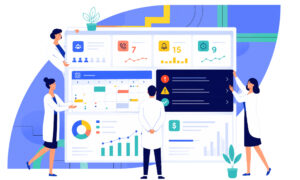
Today, technology influences healthcare HR with candidate screening, digital onboarding processes and automatic scheduling. It’s likely that change and innovation will continue weaving through the industry in the years to come.
But how has technology influenced nursing home management?
Nursing home technology can help you improve your entire healthcare management operation. You can automatically schedule employee shifts, keep patient records up-to-date, track medication, handle employee benefits — the list goes on.
If you’re uncertain about how to use this technology or what type of technology is right for your facility, don’t worry. This article outlines five ways to use technology to improve nursing home management.
Why is technology important for nursing home management?
Nursing home technology helps healthcare facilities manage different aspects of their business by:
-
Ensuring smooth operations
Track different operational areas — like staff schedules, employee records and patient medication — to create processes that run your facility as efficiently as possible.
-
Delivering quality care
Centralize patient data to help nursing staff access valuable insights into their needs and expectations.
-
Improving the employee experience
Allow employees to manage schedules, swap shifts, communicate with peers and access HR information in one place.
-
Increase security
Improve access control to the facility, implement emergency response systems and safely store private and confidential information.
How to improve nursing home management with technology
There’s a lot of healthcare technology out there to choose from. To narrow your search, we’ve outlined five types of technology that can improve nursing home management.
1. Scheduling software
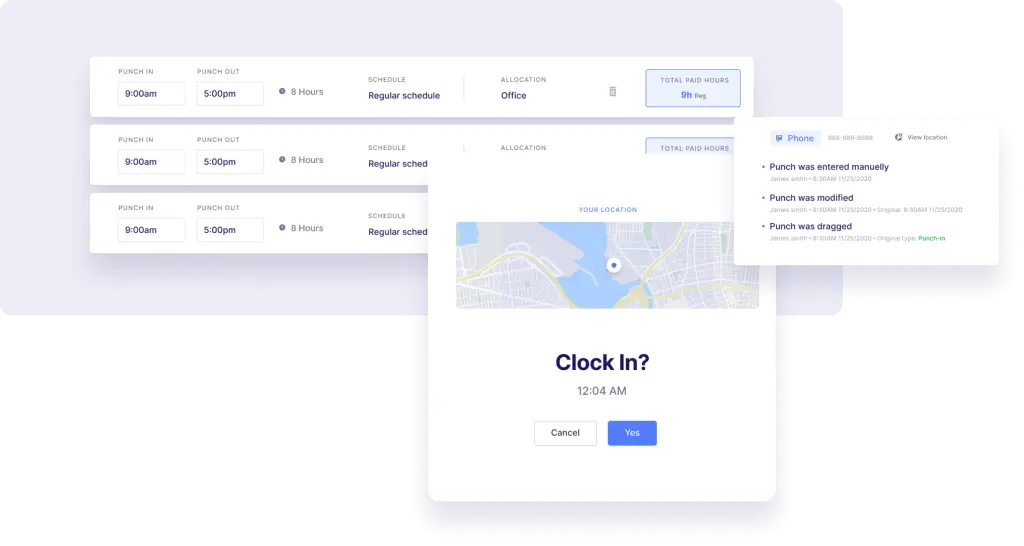
Nursing scheduling software manages shift planning for employees. It can automatically generate caregiving schedules based on employees’ preferences and skill sets and the maximum hour requirements to comply with federal regulations.
This software removes the need to create schedules manually, so you have more time to manage other areas of your healthcare facility.
You can also optimize schedules based on resident needs. For example, if a nursing home resident requires help with personal care, you can schedule staff with the right skills to support them.
2. Electronic health records
Storing electronic health records (EHR) provides centralized access to up-to-date patient records. iPatientCare is an example of a cloud-based platform for storing and accessing EHRs.
Here are some additional ways to use EHRs to improve nursing home management:
-
Minimize errors
Storing this information digitally reduces errors, such as communication gaps between staff, and enhances patient safety by detecting missed diagnoses.
-
Identify high costs
EHRs can pinpoint factors that increase the cost of care, like medication costs, which allows you to budget better. If medication costs are high, you can improve your budgeting elsewhere to account for these costs.
-
Improve patient care
Electronic records allow nursing staff to readily access vital information about patients — including previous treatment, medication and allergies — to deliver exceptional care.
When choosing EHR technology, be sure to brush up on compliance requirements. This means you need software that stores and protects EHRs in accordance with applicable regulations. Take HIPAA, for example, a regulation that sets limits on the use and disclosure of patient information. It also requires effective security measures to safeguard this data.
Integrating your HCM software with an EHR system can also help you stay ahead of the curve.
3. Telehealth solutions
Telehealth solutions provide patients with health support via remote communication channels. For example, hosting virtual consultations with doctors via video calls or secure messaging.
Take a look at TeleHealth Solutions as an example. The software can improve nursing home management in a long-term care facility by:
- Reaching a wider pool of specialists to provide effective medical care.
- Allowing family members to attend healthcare appointments remotely.
- Minimizing the need for patients to attend healthcare appointments in person — which is especially useful for patients with mobility issues.
When implementing telehealth solutions, there are some challenges, including:
-
Longevity
Pilot projects in telemedicine often struggle to last due to a lack of support. To increase the sustainability of telehealth services, focus on getting early buy-in from relevant stakeholders — including residents, their families and staff members.
-
Preference for face-to-face
Patients are used to in-person appointments, so they may resist the idea of virtual appointments. Prepare to address this resistance to increase the success of your telehealth solutions.
-
Ethical issues
Autonomy, beneficence and justice are some of the ethical issues that appear when using telehealth services. Always prioritize patients' needs to support their best interests.
4. Medication management
Digitalizing medication management involves using technology — like CleverDevSoftware — to track patient medication. Instead of reviewing physical documents and paper records, nursing staff can use an online system to access up-to-date medical information.
Here are some of the ways digitizing medication distribution can improve your nursing home management:
-
Create medication schedules
Minimize the risk of human errors and increase accuracy by using technology to create medication schedules. As a result, patients get the proper medication as soon as needed.
-
Automate medication alerts
If patients require a medication review, a digital system automatically issues a reminder.
When considering technology to manage medication, remember that the software is only as good as the information you input. You must check the information to ensure alerts are accurate and schedules are up-to-date.
5. An HCM platform
A human capital management (HCM) platform manages and optimizes HR processes. For example, Empeon streamlines onboarding, handles payroll and allows staff to manage their benefits — all in a centralized location.
Here’s how HCM technology can improve nursing home management:
-
Improves communication and collaboration
Staff can share information, such as updates about patient care or ask questions about employment information.
-
Enables flexible work arrangements
Staff can create rosters that promote a healthy work-life balance and schedule shifts to suit them. Empeon allows nursing staff to swap shifts with colleagues.
-
Provides payroll clarity
Employees can access their pay stubs and gain oversight of their salary, overtime pay, and more. This means nursing home administrators spend less time answering payroll-related questions and more time on other important tasks, like improving HR processes.
Upgrade your nursing home management with the right technology
Technology plays a vital role in improving the operations of nursing homes. It streamlines processes, enhances employee experience, and helps front-line workers deliver quality patient care.
If you’re considering adding new technology to your nursing facility, Empeon should be on your radar. The HCM platform is easy-to-use, customizable and has all the features and integrations you might need to manage your nursing home successfully.
Get in touch with one of our industry experts to learn more about using Empeon in your care facility.