Skilled nursing facilities (SNF) have been urging changes to nursing mandates and asking for help with the labor shortage for a long while. Additionally, the long-term outlook predicts shortages well into 2032, which isn’t the most promising statistic.
And yet, organizations are finding ways to revamp old approaches, adjust to a taxing situation, and create efficiency using AI workforce management tools. But what does that look like in practice, and how does it help? Here’s what to know.
What is AI-driven workforce management?

AI-driven workforce management uses artificial intelligence and various smart tools to plan and manage your staff. AI in healthcare is not new—it’s been around for at least 70 years—but the technology has changed recently with more advanced features.
Depending on the tool and its purpose, the specific AI technologies might include:
- Machine learning
- Deep learning networks
- Artificial neural networks
- Natural language processing
- Large language model
- Robotics
- Expert systems
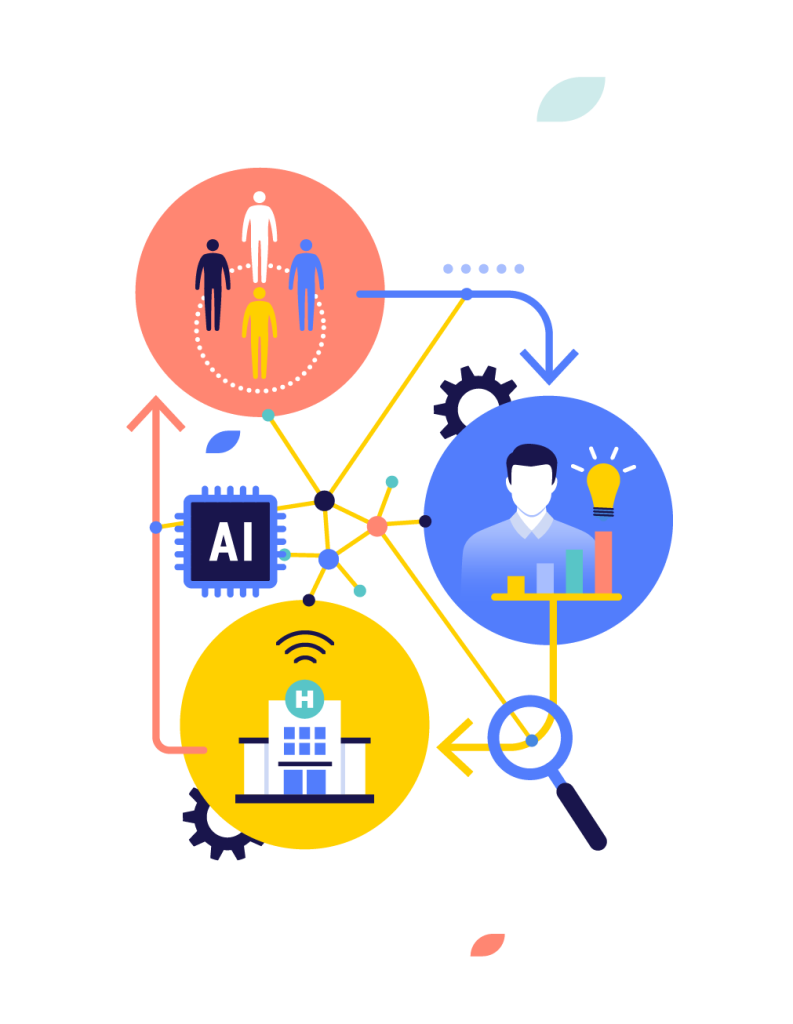
The goal of these tools varies. For instance, machine learning tools help automate specific tasks, simplify log-in with face recognition, or make predictions. In terms of workforce, AI works in four key areas:
- Designing workflows
- Finding and managing workers
- Carrying out the actual work
- Measuring results
Each of these areas has its own goals, but the overall purpose for AI is to use the power of technology to simplify work. AI tools carry out tasks and learn from past data and activities within your workforce. The result? More informed decisions, lower costs, and increased efficiency.
How it works
AI chatter can often sound like vague tech jargon because it deals with complex ideas and systems. However, behind the buzzwords are real tools—like automation and predictive analytics—that identify trends and predict issues, offering practical solutions for your facility.
Specifically, AI-driven workforce management helps:
- Review data, like past shifts, payroll costs, or overtime
- Identify gaps or issues using pre-set rules and triggers or learned reasoning
- Automate tasks, like schedules, incentive pay, or time-off requests
- Suggest improvements

Using workforce AI for SNF operational efficiency

Labor shortages are still a pressing issue for skilled nursing facilities. A new 2025 staffing report found that the industry has an average turnover rate of 82% for nurses and 43% for admin staff. In other words, 82% of nursing staff and 43% of administrators leave every year.
These staggering figures show that manual workforce management is no longer an option. There isn’t time or resources to get everything done and manage constantly shifting schedules and demands with manual, time-consuming steps. New approaches and tools, including AI adoption, are critical and offer benefits for better productivity, especially if you want to grow your business.
Fill shifts on auto-pilot
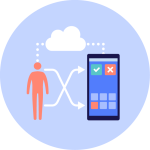
AI workforce tools help you fill shifts using flexible scheduling and auto-push shifts to available staff. For instance, you might combine an employee app with scheduling tools to send alerts to on-call or casual staff.
With a few rules or triggers, you can auto-update open shifts with incentive pay and offer shifts to nurses likely to fill them. Not only can staff receive auto-updates based on their availability and when shifts become available, but they can also accept shift requests from a mobile-friendly employee self-service app. Once accepted, the system automatically logs the changes in the scheduling interface, so nurse managers spend less time calling staff and trying to fill shifts.
Learn and match nurse schedule preferences
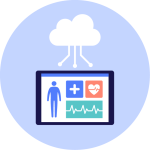
At the same time, some AI software can also analyze shift trends and learn staff shift preferences over time based on pick-up history. With this data, the software can then automatically match open shifts to nurse trends and preferences and push the shifts to those likely to accept.
Plus, combining these details with filters like experience, position, or type of shift can help you fill hard-to-fill shifts and maintain staff interest and engagement. With smart software, there’s no need to sift through dozens of staff and their individual preferences and make calls. Instead, you
set the shift requirements, let the software learn based on historical habits, and automatically alert probable staff.
Match scheduling to patient count and staffing minimums
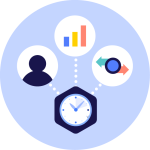
Similarly, AI software lets you match your patient count or census to your legal ratio requirements. These counts may change constantly, depending on the type of facility you have, which can make scheduling and ratios a major hurdle.
However, AI software is dynamic and can view these numbers like supply and demand, automatically adjusting scheduling or shift requirements to changing counts. You spend less time stressed about meeting minimums while ensuring constant compliance.
Smart scheduling
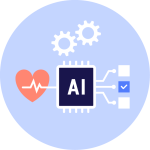
AI workforce management solutions use many smart scheduling tools, like those listed above, but creating an auto-rotation is another feature. Using pre-built templates and filters, such as vacation, shift patterns and preferences, staff groups, or locations, you create a complex schedule for many staff groups across multiple locations in minutes.
Employee self-service access also allows staff to submit time-off requests and manage other scheduling issues from their phones. AI allows you to auto-approve low-level requests and auto-update the staffing system. The result is intelligence throughout the system that’s hard to beat with manual steps.
Benefits of AI adoption in SNF workforce management
AI tools are attractive and offer key operational benefits, from better staff and shift management to fewer costs and improved fill rates.
Scaling your SNF business or operating a multi-location group comes with a large workforce. Each individual has their preferences and needs, from the worker to the nurse or facility manager, and each facility has specific patient needs, making planning and management a huge job.
AI adoption streamlines management by automating repetitive, low-level tasks and enhancing flexibility. Your team can quickly and easily organize a large team without getting stuck on or bogged down with admin and paperwork, leaving time and mental space to engage with staff and meet patient or operations goals instead.
AI software builds a system into your workforce management process, tagging staff to shift types, experience levels, and preferences and syncing it with patient and operational needs. With a large or expanding workforce, you may not have eyes on all the possible staff who can work your open shifts.
But combining the systems approach with AI tech allows you to optimize the staff and float pools you already have and cut down on the constant search for nurses, especially through staffing agencies. This system creates flexibility and increases your fill rates while maximizing existing human resources.
Hiring nurses from a staffing agency is one helpful way to manage the labor shortage, but these strategies can lead to higher costs. A smart system removes redundant or time-consuming tasks that interfere with the HR workflow, leading to lower expenses in admin labor and lost time. Plus, with more oversight on available staff, you can save on external labor costs at the same time.
A good example of these savings is an organization that implemented AI workforce software across 50 locations. By offering flexible scheduling, learning staff preferences, and maximizing internal staff, the company lowered time spent on scheduling and admin staff by 20% and cut premium labor spend by $30.7 million.
Scaling your SNF workforce with confidence—and smart tools
The bottom line is this: your patients need care. Unfortunately, the labor shortage might hamper your ability to deliver it. Smarter workforce tools can help you create a more efficient process that maximizes the talent you already have as you grow.
Empeon’s solutions power flexible healthcare facilities with intuitive payroll, scheduling, onboarding, reporting, and more. Discover how to strengthen your workforce with Empeon tools by taking a tour.