
Between last-minute call-outs, compliance alerts, and staffing crises, healthcare HR can feel like playing defense 24/7. But what if your workforce management strategy could actually get ahead of the chaos instead of constantly reacting to it?
If you’re managing HR at a skilled nursing facility, long-term care center, or home health agency, this daily reality hits close to home. You’re juggling staffing shortages, navigating ever-changing regulations, and fighting to retain your best people—all while ensuring quality patient care never suffers.
And the landscape continues to be challenging. Between new CMS staffing mandates, a fiercely competitive hiring market, and increasingly complex compliance requirements, leaders are navigating a perfect storm of operational demands. Yet amid these challenges lies unprecedented opportunity.
The organizations that will thrive moving forward aren’t just surviving this environment—they’re turning these very challenges into competitive advantages. So how do you shift to a proactive strategy?
Here are six strategies that are transforming how healthcare HR leaders operate:
1 .
Stay Ahead of Compliance Before It Becomes a Crisis
In 2024, the Centers for Medicare & Medicaid Services (CMS) finalized minimum staffing standards for nursing homes. For example, facilities are now expected to provide at least 3.48 hours of nursing care per resident per day, including specific minimums for RNs and nurse aides.
Meanwhile, ongoing regulatory discussions around the Fair Labor Standards Act (FLSA) continue to focus on overtime eligibility thresholds and exempt vs. non-exempt classifications. With increased scrutiny on wage and hour compliance, misclassification carries significant risk of wage claims, back pay, and audits.
Multi-state operations face additional complexity. Healthcare systems operating across different states must navigate varying state tax codes, unemployment insurance rates, and labor laws. Each state has different requirements that can create a logistical nightmare without the right systems.
- Implement regular payroll audits to catch wage and hour violations before they become costly penalties.
- For multi-state operations: Ensure your payroll system can handle state-specific tax calculations and code management filing requirements, and compliance monitoring automatically.
- Automate alerts for catching expiring licenses, trainings or overtime risks.
2 .
Leverage AI and Automation
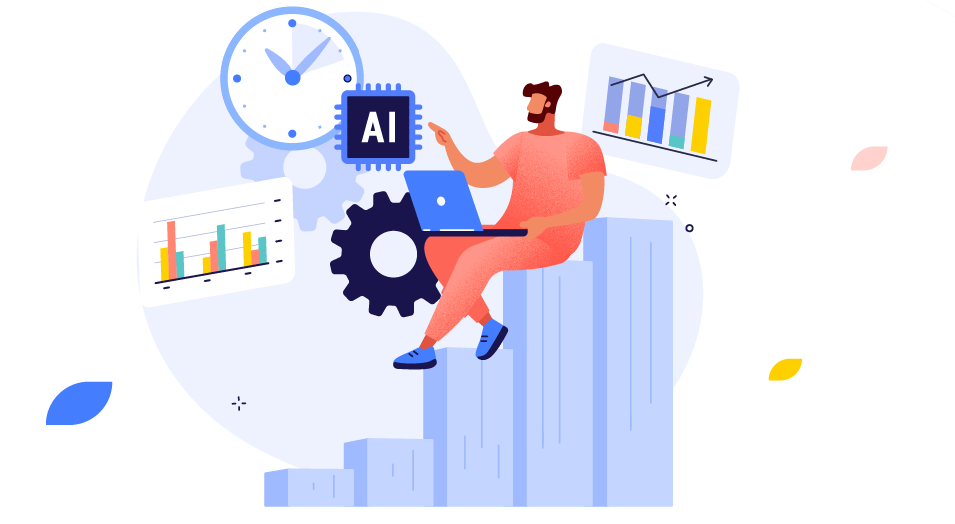
AI and automation tech are among the new tools on the scene being used to improve patient care and operational efficiency, and research shows that 92% of healthcare leaders believe automation is critical for addressing staff shortages.
AI agents automate 75% of resume screening tasks, streamlining hiring processes, while AI-driven automation reduces scheduling and other admin tasks, saving HR teams significant time. For healthcare HR, this means:
Predictive Analytics for Turnover: AI can analyze patterns in attendance and reviews to identify employees at risk of leaving.
Intelligent Compliance Monitoring: Intelligent systems can track credential expirations and send alerts in advance.
What's working right now for recruitment
- Implement AI-powered applicant tracking systems: ATS integrations can screen resumes, schedule interviews, and even conduct initial candidate assessments, reducing time-to-hire by as much as 71%.
- Mobile-friendly applications: Resume-optional, mobile-friendly applications remove friction for frontline workers who don’t have time to sit at a computer or behind a desk.
3 .
Master Complex Pay Structures and Prevent Time Theft
Healthcare payroll isn’t your typical 9-to-5 operation. You’re managing shift differentials, complex overtime calculations, and around-the-clock schedules that create unique compliance challenges.
Shift Differential Complexity: Healthcare facilities operating 24/7 need to manage staff beyond regular day shift hours. When employees work across departments with different differential rates, calculations become even more complex.
Time Theft Prevention: Buddy punching, one of the most common forms of time theft, affects 75% of US businesses. For healthcare organizations operating on thin margins, this can represent a significant issue.
Essential strategies
- Implement biometric time clocks: Biometric time clocks, which scan fingerprints, can solve buddy punching by ensuring that only the actual employee can clock in or out.
- Geofencing and IP restrictions for mobile workers: For healthcare professionals who frequently change locations, such as those in home healthcare, tracking and restrictions ensures employees clock in and out from the correct locations.
- Automated shift differential calculations: Your payroll system should handle complex scenarios like when employees pick up extra shifts across departments with different rates—night, weekend, holiday, and specialty unit differentials—all calculated automatically without manual intervention.
4 .
Focus on Retention: Stability Is a Competitive Advantage
If hiring is hard, replacing an employee who already knows your systems, patients, and culture is even harder. Healthcare organizations with strong retention cultures are the ones that build retention strategies each year.
Retention strategies that work
- Recognition with meaning: Publicly acknowledging hard work (even small wins) builds trust. Consider peer-nominated recognition programs.
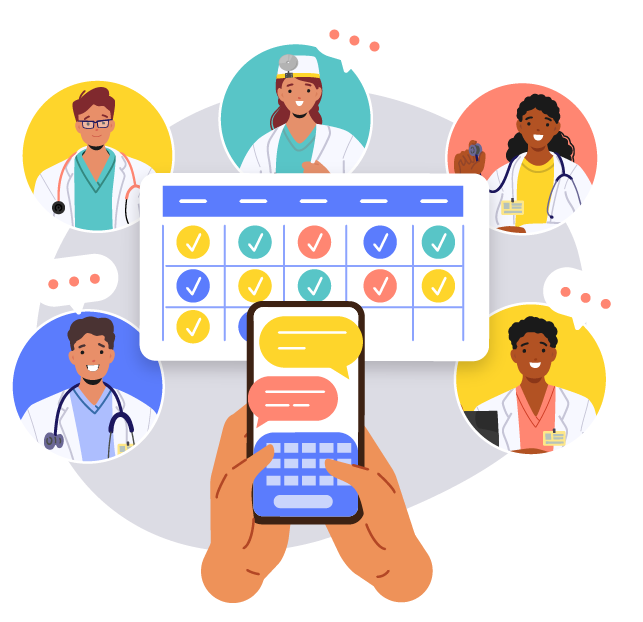
- Predictable caregiver scheduling: Use software that allows workers to swap shifts or request open shifts as they become available. Predictability reduces burnout.
- Employee survey tools: Offer regular surveys to catch issues before they become resignations. The key is acting on what you learn.
5 .
Build a Resilient HR Tech Stack
A solid HR tech stack makes everything from hiring to compliance to payroll smoother and smarter.
Key capabilities to prioritize
- Integrated applicant tracking + onboarding on one system: Fewer logins and manual data entry = fewer errors and less wasted time.
- Transparent employee payroll self-service: Payroll is more than paychecks—it’s the heartbeat of labor management. Give employees 24/7 access to detailed pay stubs, tax documents, and—for home health workers—patient visit breakdowns. When workers can see exactly how their complex healthcare pay is calculated, payroll inquiries decrease and trust increases.
- Structured onboarding workflows: Create systematic task sequences for new hires, from I-9 completion and health screenings to license verification and facility-specific training modules. Automated workflows ensure nothing falls through the cracks.
6 .
Champion Employee Well-Being
Let’s be honest: healthcare workers are exhausted. Supporting well-being and engagement goes beyond free pizza and occasional shoutouts. It means meeting people where they are, financially and emotionally.
Here are practical ways to support your team
- Offer Earned Wage Access (EWA) Giving employees the option to access a portion of their wages before payday can be a lifeline for those managing tight budgets…and also a powerful retention tool.
- Mental health resources: Normalize use of Employee Assistance Programs (EAPs), promote breaks, and encourage the use of PTO. Even small steps toward stress reduction have ripple effects.
- Create feedback loops: Use pulse surveys or small-group check-ins to stay close to what your team is feeling. Listening is only powerful if it leads to action.
The Advantage of Healthcare-Specific HCM
Here’s the reality: generic HR and payroll solutions aren’t built for the complexity of healthcare operations. They don’t understand shift differentials that vary by department, multi-state compliance for healthcare systems, or the unique scheduling challenges of 24/7 patient care.
An HCM platform like Empeon is built by healthcare experts for healthcare organizations. We focus on understanding clients’ real-world challenges and continuously improving solutions based on what actually works in healthcare settings.
What makes Empeon different:
- Built for healthcare complexity: From pay rules to automated workflows and reports, our platform adapts to how your organization operates.
- Deep healthcare expertise: Our team understands the nuances of healthcare HR, from CMS compliance and PBJ reports to nurse and caregiver schedules.
- True partnership approach: We work alongside you to solve your specific operational challenges, not just provide software.
The Bottom Line: It's About People, Not Just Processes
The best healthcare HR leaders moving forward are the ones who combine compassion with clarity and use technology and strategy to bring the human back to Human Resources.
Ready to make HR feel a little less chaotic, and a lot more powerful? Reach out to our solutions experts.