Scheduling caregivers across multiple shifts and locations is enough to give anyone a headache, especially when each assignment depends on up-to-date certifications. Facilities and centers must track credentials while maintaining compliance with state and federal regulations.
Whether you’re managing assisted living staff or skilled nursing teams, the challenges never stop, and the cost of getting it wrong is high.
In this comprehensive guide, we’ll go over everything you need to know about caregiver scheduling: best practices, common pitfalls, the technology that keeps your processes smooth and how to balance all this to improve patient outcomes.
Let’s start with why efficient caregiver scheduling should be at the top of the list.

The importance of efficient caregiver scheduling
When scheduling works well, everyone feels it. Residents and patients receive consistent, high-quality care, staff feel supported instead of stretched thin, and your facility runs more smoothly each day.
In settings like long-term and post-acute care, scheduling is a constant balancing act. And it matters more here than in most industries because:

Your teams are spread across units, wings, and even multiple locations, making visibility and coordination essential.
Demand for skilled nursing and rehab services continues to rise, while continued staffing shortages make coverage harder to maintain.
Care is hands-on and highly specialized, meaning the right credentials, experience, and staff-to-resident ratios must be in place at all times.
When schedules fall apart, the impact is immediate on residents, caregivers, and the organization’s bottom line. When they hold, everything works better.
Some of the most important benefits of proper caregiver scheduling are outlined below.
Continuity of care
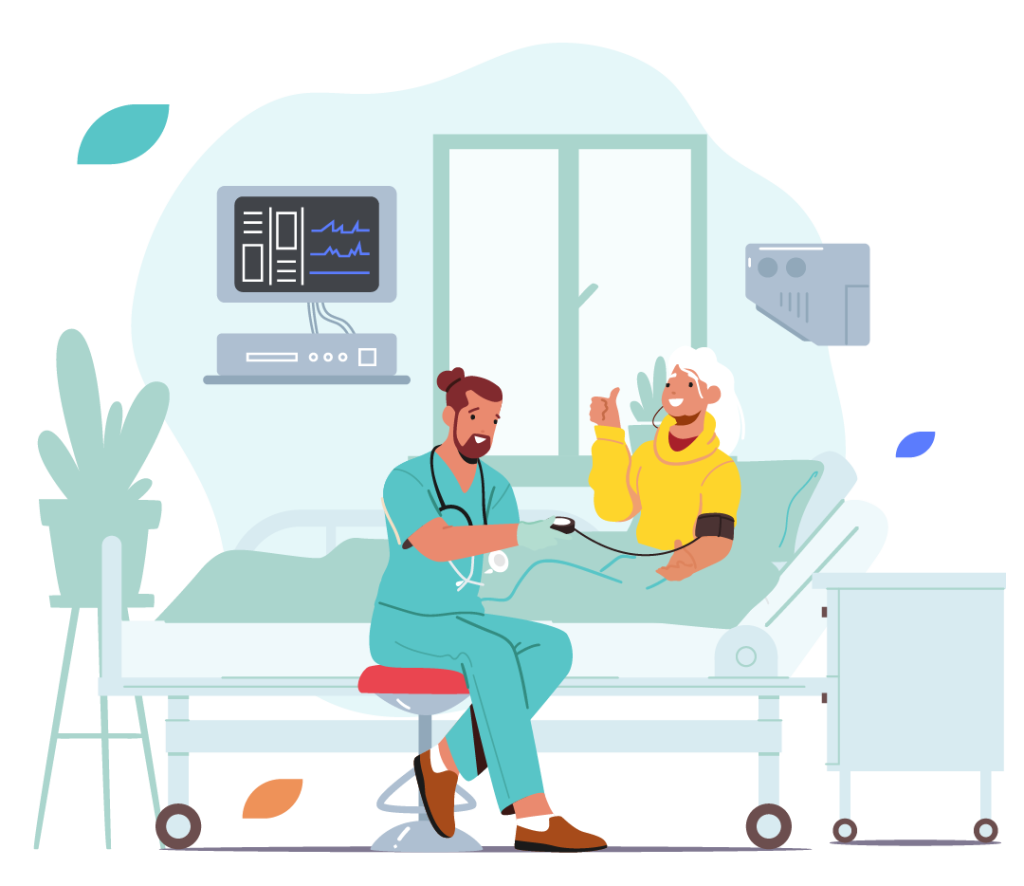
In skilled nursing, rehab, and long-term care settings, continuity of care matters for everyone.
When patients see familiar caregivers, communication improves and trust builds over time. That consistency also helps reduce complaints, negative reviews, and compliance risks.
Effective caregiver scheduling supports this continuity by ensuring patients receive the right care at the right time, whether coverage is needed around the clock or on a more flexible basis.
When possible, it can also help pair residents with caregivers they know and feel comfortable with. Many caregivers value these consistent assignments as well, since familiarity makes their work more efficient and rewarding.
Of course, schedules don’t always go as planned. Call-outs happen, often at the last minute. That’s why scheduling practices should include clear protocols for quickly filling open shifts without creating chaos.
The right workforce scheduling solution makes it easy to notify qualified caregivers immediately when shifts open up, helping facilities maintain continuity of care even when plans change.
Caregiver satisfaction and workload management
Happy workers provide better care and improve both business and patient care outcomes.
Unfortunately, career satisfaction in healthcare remains low. Recent workforce surveys show that this is driven largely by burnout, staffing shortages, and workload pressures.
Technology built for the industry can improve employee satisfaction, allowing caregivers to focus solely on their patients without worrying about logistics and consistent, accurate income.
Keeping workers happy is vital — particularly with today’s healthcare staffing shortages. Plus, qualified caregivers are in high demand, so administrative staff must do whatever they can to improve job satisfaction for healthcare workers.
Strong scheduling practices help keep caregiver workloads consistent and manageable. Using technology to support scheduling makes it easier to stay organized and align patient needs with caregiver availability.
Just as importantly, scheduling should give caregivers a degree of autonomy and flexibility. Nurses and care providers should be able to receive real-time notifications when shifts open up—and request those shifts with minimal friction.
Payroll management and business outcomes

Caregiver scheduling has a direct impact on payroll, and when schedules aren’t tightly managed, payroll costs can leak fast. Poor visibility into hours and coverage often leads to unnecessary overtime, driving up labor costs while straining caregiver work-life balance.
To put it in perspective, the median hourly wage for a licensed practical nurse (LPN) in the U.S. is nearly $30. Once overtime kicks in at time-and-a-half, those extra hours add up quickly. In a margin-tight, high-turnover environment, few facilities can afford avoidable payroll overruns.
Smarter scheduling helps close those gaps. With real-time visibility into hours worked and upcoming coverage needs, organizations can control overtime before it happens and align staffing levels with actual demand. The result is more predictable payroll, stronger expense forecasting, and fewer surprises.
Caregiver scheduling best practices
To keep your operation running smoothly and your employees happy, implement these caregiver scheduling best practices in your workplace.
Utilize caregiver scheduling software
Scheduling care providers presents unique challenges. Caregivers may visit multiple patients and sites, with assignments tied to specific individuals, locations, or levels of care. Pay rates can vary based on shift type, care level, or location, adding another layer of complexity. On top of that, schedulers must navigate federal and state regulations, union requirements, and other administrative constraints.
For these reasons and more, it’s important to use software that’s specifically designed for caregiver scheduling.
This is the reason why Empeon’s workforce management platform covers everything from payroll management and HR tasks to scheduling. Having full control and a bird’s-eye-view of your facility ensures your processes support caregivers and ultimately achieve better outcomes across patients, your workforce and business goals.
With tools designed specifically for healthcare providers, including skilled nursing and long-term care facilities, organizations can better manage the unique scheduling, compliance, and expense-forecasting challenges they face.
Ensure compliance with federal, state, and local regulations
Scheduling practices must comply with a wide range of regulations, including:
Minimum staffing standards based on your facility type, including required hours per patient day (HPPD).
State, federal, and local labor laws, such as minimum wage requirements, overtime rules, and mandated break periods.
Healthcare-specific regulations at both the state and federal level, including rules around licensing, credentialing, and required rest periods between shifts.
Union agreements or negotiated labor terms, where applicable.
These requirements vary widely by state and by care setting, whether you’re operating a skilled nursing facility, nursing home, or rehab center. Staying current and compliant is critical, as violations can result in significant fines, penalties, or even operational restrictions.
Many of these regulations exist to protect both caregivers and patients. For example, Washington’s healthcare labor standards require that healthcare employers provide uninterrupted meal and rest breaks for direct patient care staff. Policies like these help ensure caregivers are rested and able to deliver safe, high-quality care.
Improve communication with caregivers
Proactively keeping caregivers informed of their schedules—and any last-minute changes—is essential to effective scheduling. The goal is a single, centralized system that’s always up to date and automatically notifies caregivers about schedule updates, call-outs, and open shifts as they happen.
Caregivers should be able to access their schedules remotely and trust that what they see is current. When information is accurate and easy to find, confusion and missed coverage are far less likely.
Just as important is real-time communication. A built-in live chat app helps keep caregivers, schedulers, and managers connected, allowing questions, updates, and clarifications to happen instantly, without relying on phone trees or scattered messages.
Centralizing scheduling, time and attendance, and caregiver communication in one platform improves visibility across the organization. It reduces manual work, cuts down on unnecessary back-and-forth, and lowers the risk of errors that can lead to coverage gaps or payroll issues.
Set cost controls
Payroll is one of the largest cost drivers in healthcare, and scheduling efficiency plays a major role in keeping it under control. When scheduling and payroll are closely aligned, organizations gain clearer visibility into labor costs before each pay cycle closes.
Scheduling tools with built-in budgeting make it easier to forecast payroll, since scheduled hours closely mirror billable hours. Even better are platforms that sync scheduling directly with payroll and support features like variable pay rates, incentive pay for hard-to-fill shifts, and alerts when employees approach overtime thresholds.
Managing schedules, pay rules, and labor agreements in a single system reduces manual work, minimizes errors, and gives teams better control over payroll outcomes—helping prevent unnecessary overtime before it turns into avoidable payroll spend.
Add a human touch
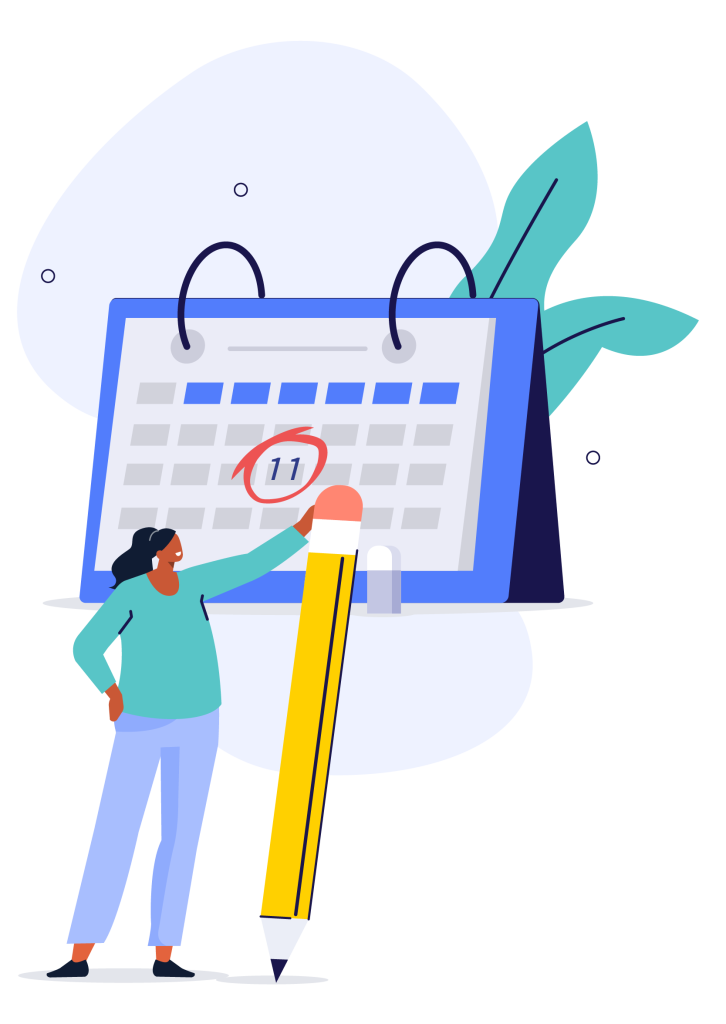
We all like efficiency, professionalism and consistency. But it also pays to add a human touch to your scheduling efforts.
Maybe you add all your caregivers’ birthdays to your calendar so you know beforehand to plan days off around their birthdays. Or maybe you know one of your employees is having a hard time personally, so add a note to check in with them more frequently about their workload needs and desires.
Adding a human touch to your scheduling efforts can help improve employee satisfaction, create a culture of collaboration and help prevent burnout among your most important resource: your employees.

Automate and modernize where possible
If you’re still relying on manual processes to schedule employees, manage timesheets and submit payroll, it may be time to modernize your systems and harness the power of automation.
Automation can help reduce manual errors and free up valuable time and resources spent on higher-value activities. For instance, by utilizing a single technology solution that covers both scheduling and digital timecards, you can make sure scheduled time matches up with worked hours to avoid payroll headaches.
AI-driven technology take things even further, opening up useful insights into how your business operates, speeding up onboarding and augmenting scheduler and HR professionals’ workflows for greater efficiency.

Enable timely paid time off (PTO) approvals
At most workplaces, PTO requests need to be manually approved by supervisors. However, employees appreciate timely responses to these requests. Ideally, caregivers should be able to submit PTO requests directly through their employee portal.
Wherever possible, caretakers should have access to an employee portal they can access from their device(s). This portal should sync up seamlessly with the central workforce schedule and allow efficient collaboration and communication between all involved parties.
Smarter caregiver scheduling for today’s healthcare teams
The tips above offer a practical framework for building a more effective scheduling practice. Empeon’s workforce management platform was designed around these principles and helps healthcare organizations reduce scheduling friction and simplify workforce management.
Empeon’s Caregiver Scheduling makes it easy to assign shifts, track hours, manage custom pay rates, and organize staff by location. As part of our Time and Attendance solution, it builds on Empeon’s broader workforce management capabilities.
From scheduling and payroll to compliance, benefits, and workforce insights, Empeon brings everything together in a single platform built for healthcare organizations, including skilled nursing, long-term care, rehab centers, and urgent care facilities.
With one source of truth, teams stay aligned. Schedulers manage coverage, caregivers request time off or pick up open shifts from their mobile devices, and leaders gain clear visibility into operations, all in one system.
Improve patient, caregiver and business outcomes with efficient caregiver scheduling
Improving your caregiver scheduling process can benefit every stakeholder. Patients will receive consistent, skilled care. Caregiving professionals will have clarity and consistency in their workload and feel more confident in their careers. Financial stakeholders and HR teams can benefit from reduced costs, clearer budgetary estimates and reduced overtime expenditures.
If you would like to better understand how to improve your caregiver scheduling workflow for greater efficiency, happier patients and employees and reduced costs, book a demo today to see how Empeon can truly change your day-to-day operations for the better.